


Understanding Breast Health and the Importance of Screening for Breast Cancer Breast health is a critical aspect of overall wellness that many women may overlook. As medical professionals, it is our responsibility to educate and inform our patients about the significance of monitoring breast health and the essential role that screening plays in breast cancer detection. ## The Importance of Breast Health Maintaining breast health should begin early in life. Regular self-exams and awareness of your body can empower individuals to recognize what is normal for them. This knowledge is vital in identifying changes that may require medical attention. Factors such as family history, genetics, and lifestyle choices can influence breast health, making regular check-ups crucial. Aside from self-exams, clinical examinations performed by healthcare professionals are vital. These examinations can be critical for detecting abnormalities that may not be noticeable during a self-exam. Engage with your healthcare provider to discuss the best practices for your individual needs, as they can provide personalized guidance based on your health history and risk factors.
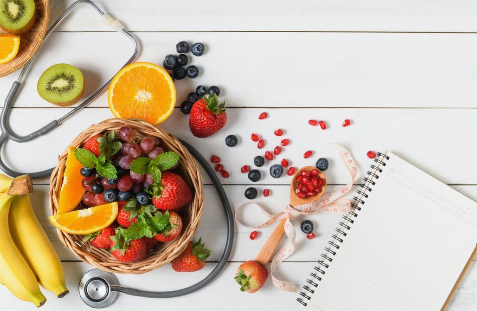
The Role of Screening in Breast Cancer Detection Screening for breast cancer is one of the most effective methods for early detection. The earlier breast cancer is caught, the higher the chances of successful treatment. Here are the primary methods of screening: 1. **Mammograms** – These X-ray exams are recommended for women typically starting at age 40, though some may need to begin earlier based on risk factors. Annual or biennial mammograms can detect tumors much earlier than they can be felt. 2. **Clinical Breast Exams (CBE)** – Conducted by healthcare professionals, this exam can identify abnormalities that may require further investigation. 3. **Breast MRI** – For women at high risk of breast cancer, MRI screening may be a complementary tool to mammograms. 4. **Genetic Testing** – For those with a family history of breast cancer, genetic testing can provide insights into personal risk, guiding screening protocols. ## Risk Factors and Lifestyle Changes Understanding risk factors associated with breast cancer is essential for prevention and early intervention. Some uncontrollable risk factors include age, genetics, and family history, while lifestyle choices such as diet, exercise, and alcohol consumption can be modified to reduce risk. Encouraging regular screenings, a healthy diet rich in fruits and vegetables, maintaining a healthy weight, and incorporating physical activity into daily routines are vital steps women can take in prioritizing their breast health.
Conclusion: Breast health should be a priority for every woman. By promoting awareness, encouraging regular screenings, and having open conversations about health and risk factors, we can make significant strides in the early detection and prevention of breast cancer. If you have concerns about your breast health or wish to schedule your screening, don’t hesitate to reach out to [company name] at [phone number]. Our dedicated team is here to support you on your journey toward better health. Remember, taking proactive steps today can lead to a healthier tomorrow. Stay informed, stay proactive, and take care of your breast health!
When life feels overwhelming, having effective coping skills can make all the difference. Stress is a natural part of our daily lives, but how we respond to it determines our overall well-being. Developing healthy coping mechanisms not only helps you manage immediate pressure but also builds resilience for the future.
Start by practicing deep breathing or mindfulness exercises—these techniques ground you in the present moment and can quickly reduce anxiety. Physical activity, even something as simple as a brisk walk, helps your body process stress hormones and clears your mind. Don’t underestimate the power of talking to someone you trust; sharing your feelings can lighten your emotional load and provide valuable perspective.
It’s also important to set boundaries and prioritize self-care. Make time for hobbies or activities that bring you joy, even if only for a few minutes each day. Remember: reaching out for professional support is a sign of strength, not weakness. By intentionally building these coping skills into your routine, you’ll find yourself better equipped to handle whatever challenges come your way.
Are you drinking the right fluids to keep your body energized, refreshed, and thriving? Staying hydrated is essential for every aspect of your health—from boosting energy to improving focus and even supporting your immune system. Let’s explore the best fluids to keep you hydrated and feeling your best!
Top Fluids for Optimal Hydration
**1. Water—Your #1 Choice**
– Water is the gold standard for hydration.
– It’s calorie-free, easy on the body, and helps flush out toxins.
– Aim for at least 8 cups a day, or more if you’re active!
**2. Herbal Teas**
– Caffeine-free herbal teas like chamomile, peppermint, or rooibos are hydrating and soothing.
– Many varieties offer extra benefits such as calming effects or aiding digestion.
**3. Infused Water**
– Add fresh fruits (like lemon, berries), cucumber slices, or mint leaves to your water.
– This not only enhances flavor but also adds vitamins and antioxidants.
**4. Coconut Water**
– Naturally rich in electrolytes like potassium and magnesium—great after exercise!
– Low in sugar compared to most sports drinks.
**5. Milk (Dairy or Plant-Based)**
– Contains electrolytes and nutrients like calcium and vitamin D.
– Choose unsweetened plant-based milks (almond, soy) for a low-calorie option.
Fluids to Limit:
– **Sugary drinks:** Soda and energy drinks can dehydrate you due to high sugar content.
– **Caffeinated beverages:** Enjoy coffee or black tea in moderation; too much caffeine can have a mild diuretic effect.
Small Changes Make a Big Difference
By choosing these healthy fluids throughout your day, you’ll not only stay hydrated but also support your body’s natural functions—and feel better overall.
Ready to upgrade your hydration routine? Fill up your favorite bottle with one of these healthy options today!