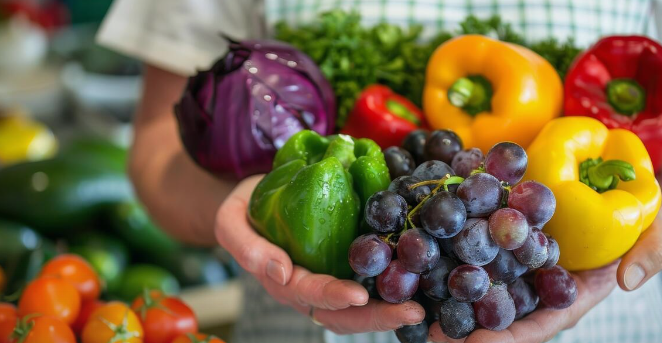
Eating Healthy on a Low Budget:

A Practical Guide for Everyday Wellbeing

When the conversation shifts to combining nutritious eating with a tight wallet, many of us feel the pinch—even before reaching the grocery store. We’ve all been there: scrolling through posts on Reddit, reading relatable advice on Quora, and catching snippets of wisdom on Twitter that make us pause and think, “Is it really possible to nourish our bodies without breaking the bank?” This guide is written just for you—a friendly, conversational dive into making healthy choices while keeping expenses in check. In our everyday life, balancing health, flavor, and frugality is a challenge, but it’s one that can be met with smart planning and a pinch of creativity. Today, we explore strategies, share personal anecdotes, and introduce fresh ideas to motivate your journey towards healthy living at an affordable pace.

Discovering Affordable Nutrition and Embracing Smart Shopping

Let’s get real: the thought of crafting meals that are both nutritious and kind to your budget may seem overwhelming at first. Yet, countless voices on online communities have shared delightful success stories that make you smile and nod in agreement. Picture yourself wandering through a local market: vibrant fruits, crisp vegetables, and affordable whole grains all waiting for you. Many folks on Reddit reveal that thorough planning and smart shopping—such as buying seasonal produce and opting for generic brands—are game-changers. They emphasize that every dollar spent wisely on fresh ingredients can multiply into a week full of wholesome meals.

Moreover, discussions on various platforms show that meal planning isn’t just about cutting corners; it’s about nurturing your body with balanced nutrition. Instead of succumbing to the myth that only expensive organics can be healthy, try incorporating nutrient-dense alternatives like beans, lentils, and locally grown produce. Consider drawing inspiration from some of the down-to-earth advice shared online: imagine prepping large cooking batches over the weekend and freezing portions to enjoy later. This not only minimizes waste but also saves you precious time and energy during hectic weekdays.

Do you ever find yourself wondering if your meals will provide the variety needed to keep your taste buds excited? The solution lies in exploring new spices and herbs at a low cost—ingredients that add a burst of flavor without a hefty price tag. By adjusting your shopping list and embracing creative substitutions, you create a win-win scenario: you’re investing in your health while keeping your wallet intact. It’s a practice that’s supported by many firsthand stories shared on Quora and social media, where real people celebrate small wins that lead to big transformations in step-by-step meal planning.

In our journey toward healthy eating on a low budget, we learn that it isn’t about deprivation but about smart choices. As you implement these changes, consider setting realistic goals and even involving family members in fun meal-prep sessions. Beyond healthy recipes, this mindful approach fosters a collective commitment to wellbeing, proving that looking after your health on a limited budget is not only possible—it can be downright enjoyable.

Smart Strategies and Real-Life Stories: Bringing Nutrition Home Without Overspending

Ever sat down with a hot cup of coffee and stumbled upon a story that made you think, “I can totally do that”? That’s the essence of smart strategies shared widely both on social platforms and in competitive articles alike. People are rediscovering the art of bulk cooking, smart substitutions, and seasonal shopping to make nutritious choices affordable. For instance, incorporating staples like brown rice and whole wheat pasta can serve as the canvas on which a mosaic of flavors is painted. Imagine a plate brimming with colors: shredded carrots, leafy greens, and beans—each element contributing vital vitamins and minerals at a minimal extra cost.

A popular hack embraced by many savvy shoppers is to create a weekly menu that focuses on versatile ingredients. By doing so, you not only reduce food waste but also get the most out of every ingredient. It’s common to hear personal anecdotes from Quora where someone recounts how a trip to the local farmer’s market turned into an educational adventure, discovering new vegetables they had never tried before. These real-life examples serve as inspiring reminders that healthy eating on a low budget isn’t an abstract concept—it’s a tangible, achievable lifestyle.

Alongside these tips, a recurring theme is the value of community. Sharing recipes, exchanging helpful hints, and validating small successes with friends or online groups not only makes health journeys enjoyable but also reinforces that you’re not alone in the pursuit. Many people find motivation in engaging with online communities, where lively debates spark fresh ideas, and where personal triumphs encourage others to experiment with their own grocery lists.

Have you ever looked at your pantry and thought, “There must be a better way?” The trick often lies in assessing what you already have, rethinking leftover ingredients, and dreaming up creative meals that surprise you every time. Embrace opportunities to repurpose yesterday’s dinner into today’s lunch by using new herbs, spices, or even a squeeze of lemon for a fresh twist. This inventive spirit not only makes eating healthy on a low budget a rewarding adventure, but it also ensures you develop cooking skills that go beyond any single recipe.

These smart strategies reinforce one essential message: keeping your meals both nutritious and affordable boils down to creativity, planning, and a willingness to experiment. As you adapt these techniques, you’ll likely find that the journey is just as fulfilling as the destination—allowing you to honor both your health and financial realities.

Let’s pause for a moment and address the elephant in the room. Many of us have heard the common myth that healthy diets require expensive, snazzy ingredients reserved for gourmet kitchens. However, a deep dive into conversations on Reddit and various Q&A platforms reveals that this simply isn’t the case. When we break down the core elements of nutrition, it becomes clear that our bodies crave simple, whole foods that can often come at a fraction of the typical cost if sourced wisely.

Picture a friend who once struggled to balance nutritional needs with a limited income. Their story, echoed in countless testimonials online, begins with a realization: the emphasis on flashy superfoods was less important than the consistency of balanced, home-cooked meals. By debunking myths and focusing on staple foods—like beans, leafy vegetables, and whole grains—you can build a diet that is both nourishing and financially sustainable. This isn’t about sacrificing taste or variety; it’s about prioritizing ingredients that can be used in multiple ways, such as lentils that add protein to a stew one night and transform into a hearty sandwich spread the next.

Rhetorical questions often make us reflect: “Why pay more when you can prepare healthful meals at home?” The answer, as you’ll find through practical wisdom shared by everyday food enthusiasts online, lies in rethinking your shopping habits. Consider the benefits of buying in bulk, scouting for deals, and even joining community-supported agriculture programs. These tactics, frequently discussed on social channels like Twitter, yield not only savings but also fresh ideas on meal versatility.

Moreover, the conversation around dietary challenges highlights that achieving balance is a dynamic process. For every recipe tip, there’s an encouragement to listen to your body and make incremental adjustments. Whether it’s through trying one new vegetable each week or experimenting with plant-based proteins, the journey towards health and frugality is uniquely personal. The beauty of these shared strategies is that they transform perceived limitations into opportunities for creativity and personal growth.

In the quest for affordable nutrition, embracing a realistic mindset is crucial. It means acknowledging that while premium ingredients have their place, they are not the sole path to a healthy diet. Instead, celebrate the available resources that make each meal a chance to nourish yourself without overextending your budget. This reframe has inspired many to view their everyday eating habits as a canvas for creativity, a notion that resonates with anyone striving to make balanced choices amidst financial constraints.

Actionable Tips for Everyday Wellness and Inviting a Healthful Future

Let’s shift gears and talk about actionable, hands-on tips that you can start using today. One effective approach is to craft a shopping list based on a simple formula: lean proteins, whole grains, and a rainbow of fruits and vegetables. Begin by exploring local markets or discount outlets where fresh produce often comes at lower prices. Many community-savvy individuals and bloggers alike recommend planning your meals ahead—it’s like giving yourself permission to dream up delicious, budget-friendly dishes that feel custom-made for your lifestyle.

Have you ever tried making a weekly budget-friendly meal plan and then perhaps adjusting it based on in-store specials? This pragmatic method not only keeps your food expenses in check but also adds a sense of adventure to the cooking process. Imagine alternating between a satisfying vegetable stir-fry and a hearty bean chili, each adaptable to the ingredients on sale that week. Even if your schedule is packed, preparing a double batch of a wholesome stew and freezing half for later can provide balance and convenience, as echoed in many heartfelt online exchanges.

Here are some practical steps to consider:

  • Plan Ahead: Dedicate a couple of hours each week to decide on recipes and create a consolidated shopping list.
  • Buy in Bulk: Invest in bulk staples like rice, lentils, and oats to lower your per-serving costs.
  • Seasonal Shopping: Choose fruits and vegetables that are in season, ensuring both better prices and peak flavors.
  • Leftovers Reinvented: Transform last night’s dinner into today’s new creation with a twist of extra seasoning or a complementary side.

As you implement these steps, remain patient and flexible. A successful journey towards affordable healthy eating unfolds gradually. It’s important to celebrate small victories—whether that’s the delight of discovering a new vegetable or the satisfaction of making a budget stretch further than expected. By integrating these practices into your daily routine, you nurture not only your body but also your confidence in managing both health and finances simultaneously.

Reflect on your personal goals and let each meal be a symbol of self-care, proving that it is indeed possible to have a vibrant, nutritious diet even when funds are limited. The notion of “eating healthy on a low budget” might surface just once or twice in conversation, but the ideas woven throughout this discussion persist in everyday practice. So, why not give these tips a try and share your own creative ideas with friends and community members who are also on the journey?

A Warm Invitation to Transform Your Eating Habits

In wrapping up, remember that the journey towards healthful, budget-friendly eating is as personal as it is communal. Every decision—from planning meals ahead to embracing the wisdom scattered across online communities—plays its role in crafting a lifestyle that honors both wellbeing and financial wisdom. You’ve now gathered a collection of smart tips, practical advice, and lively anecdotes that show alternatives to costly, trend-driven diets.

The experience of transforming your eating habits can be exhilarating. It’s not just about adhering to a strict budget or following rigid recipes; it’s about discovering the numerous ways to celebrate food, nurture your body, and enjoy the process. So, why not take that first small step today? Explore your local markets, experiment with new recipes, and most importantly, share your discoveries with those around you. Your journey towards a balanced life is filled with creativity, learning, and a passion for celebrating everyday wellness.

Embrace each meal as an opportunity to invest in your health. With the right mix of planning, resourcefulness, and inspiration drawn from communities who’ve been there, you can enjoy a nourishing diet without overspending. Let your story be the next testament to the fact that eating healthy on a low budget isn’t just a possibility—it’s a vibrant, achievable reality.


Diabetes Mellitus: When should I get tested?

When Should I Get Tested for Diabetes Mellitus?

Have you ever found yourself wondering if it’s time for that all-important check-up? Many of us have stood at the crossroads of worry and hope when it comes to our health. In today’s fast-paced world, where lifestyle choices continually influence our well-being, knowing when to get tested for conditions like diabetes mellitus is vital. This article will weave together insights from everyday conversations, personal experiences, and expert recommendations—providing you with a conversational and engaging narrative that feels like chatting with a knowledgeable friend over coffee. By listening to stories shared on online platforms and reflecting on tested guidelines, we embark on a journey to better understand the ‘when’ behind the question, “Diabetes Mellitus When should I get tested?”

The Changing Landscape of Diabetes Awareness

In our daily lives, we are bombarded with health advice—some of it heartfelt and personal, some strictly clinical. As you sip on your morning coffee, you might recall a Reddit thread where members openly discussed their diabetes testing journeys. Many shared that even mild symptoms or a family history of the condition warranted a closer look by health professionals. These shared stories remind us that our health is a mosaic of lifestyle choices, genetic predispositions, and small hints from our body that we sometimes ignore. Among online discussions, it is clear that symptoms like frequent thirst, weight changes, or persistent fatigue are signals to act.

The narrative often shifts towards encouraging timely testing. Imagine getting a gentle nudge from a friend who admitted, “I almost ignored my constant thirst until my doctor recommended a thorough screening.” Such accounts resonate with those of us juggling busy schedules and health priorities. This dialogue paints a picture where prevention trumps delay, underscoring an urgent need to listen to what our body is trying to tell us. Social chatter on platforms like Quora paints similar scenes—individuals balancing between mild discomfort and significant warning signs, urging everyone to consider routine check-ups. Whether it’s the casual conversation in an online forum or the prudent advice from a healthcare provider, the message remains consistent: staying alert saves lives.

Listening to the Community: Real Stories and Shared Experiences

If you’ve ever scrolled through a Reddit thread or a Quora discussion on diabetes, you’ll notice a blend of anxiety, relief, and proactive steps. Many users recount their “aha moment” when minor symptoms escalated into a diagnostic test that ultimately led to early intervention. In these candid virtual spaces, individuals confide about early signs such as blurred vision, unplanned weight loss, and continuous fatigue. They explain these symptoms as prompts to undergo testing sooner rather than later.

One recurring sentiment found in these online conversations is the importance of knowing one’s family history and inherent risk factors. People often share how learning about a relative’s struggle with diabetes propelled them to schedule tests, even in the absence of overt symptoms. These personal anecdotes emphasize that taking control of one’s health isn’t about panic, but rather about empowerment through knowledge and early intervention. The tone of these stories is warm, friendly, and filled with a genuine desire to help each other avoid the pitfalls of delayed diagnosis.

Imagine the comfort of knowing you’re not alone in your worries—a community of strangers turned health allies offering practical advice and moral support. Whether it’s a late-night conversation on Twitter or a detailed Q&A on Quora, these shared experiences foster a sense of solidarity. Their messages urge us to heed those internal cues before minor issues turn into major health crises. The underlying sentiment is clear: trust your instincts, know your numbers, and don’t wait too long before consulting a professional if you have concerns.

Understanding Risk Factors and When Testing Becomes Crucial

As we navigate our day-to-day lives, it becomes apparent that not all risk factors for diabetes are visible at first glance. Many online health posts highlight the continuous debate between lifestyle-induced risk and genetic predisposition. Experts and community members alike stress the idea that if you have a family history of diabetes or if you lead a sedentary lifestyle, the time to get tested could be sooner rather than later. Even if you’re feeling well, subtle warning signs might be present—ones you might easily brush off as mere tiredness.

Now, imagine having a conversation with a friend who recently described experiencing unexplained fatigue and frequent urination. That friend might share that, after a routine conversation with their doctor, a simple test illuminated the need for lifestyle adjustments and, eventually, important treatments. These narratives, echoed in both expert recommendations and casual social posts, emphasize a proactive approach. This section of our discussion is a gentle reminder to not let minor discomforts slide by unnoticed. Remember, early detection can be transformative.

It is worth noting that the threshold for testing can vary—conditions such as gestational diabetes, for example, call for different timing and protocols compared to type 2 diabetes. While some individuals may experience a sudden onset of symptoms, others might only begin to notice changes gradually. These varying experiences underscore the importance of a tailored approach when it comes to routine health screenings. Each person’s body sends its own signals, and understanding these cues can help you decide when testing is necessary. Hence, if you notice persistent changes in your daily energy or mood, it might be time to consider a proactive health check.

Practical Steps and Guidelines for Your Health Journey

Let’s step into a more personal sphere for a moment. You might be wondering: “What practical steps can I take to stay ahead of diabetes?” Starting with a balanced lifestyle is essential. Simple habits like regular physical activity, a nutritious diet, and stress management are not only beneficial in maintaining overall health but also play a role in mitigating the risk of diabetes. Personal stories in online communities often describe how a slight shift in routine—like opting for a brisk walk instead of the elevator—can make all the difference.

Consider the checklist that some community members casually share during their morning chats:

  • Monitor your weight and energy levels.
  • Keep track of any unusual changes in appetite or thirst.
  • Schedule routine screenings if you have a family history.
  • Adopt small, sustainable lifestyle changes.

These friendly tips, passed on in various online discussions, provide a roadmap for better health. They remind us that while we might not feel unwell today, proactive care can prevent potential issues tomorrow. An honest conversation with a healthcare professional can further personalize these guidelines to suit your unique lifestyle. Thinking of these steps as markers in your health journey helps keep you vigilant yet reassured—knowing that every small change is part of a larger, protective strategy against diabetes.

Whether you’re a seasoned fitness enthusiast or a beginner, integrating these guidelines becomes an empowering daily ritual. They are gentle nudges toward not postponing that check-up and remind you that taking charge of your health is an ongoing process. With community messages fueling your determination, you can confidently make decisions that are informed, thoughtful, and timely. After all, knowing when to get tested for any condition, including diabetes, sets the stage for a healthier future.

Embracing Preventive Care and Cultivating Awareness

Picture yourself engaged in a friendly chat with a neighbor who recently discovered an unexpected tip: a simple test can reveal more about your health than you might imagine. These exchanges, often sparked by genuine concern and shared experience, underline the essence of preventive healthcare. From lively Twitter discussions to heartfelt Quora responses, the mutual advice is straightforward—do not wait for a full-blown crisis before seeking help. Preventive measures, as echoed by many, can be the key to staying ahead of the curve.

This isn’t about inducing fear; it’s about embracing awareness. Many testimonies from real people emphasize that regular testing has allowed them to catch early warnings and adjust their lifestyles before any significant harm ensued. One might recall the story of someone who, after noticing subtle changes in their energy levels and mood, decided to consult a doctor. That one decision not only mapped out a healthier path but also instilled an enduring sense of control over their well-being.

By actively engaging in your health journey, you contribute to a broader dialogue—a community-wide assurance that preventive care is as important as any other daily routine. The message consistently is: don’t wait too long to pay attention to those whispers from your body. In a world where information flows freely through social networks and community forums, the wisdom shared by peers can be invaluable. So, take a moment, check in on your health, and remind yourself that a preventive test might just be the best conversation starter with your doctor about a future free of surprises.

A Call to Action: Your Health, Your Future

Now, as you reflect on these narratives and guidelines, ask yourself: What’s stopping you from taking the next step toward safeguarding your health? The stories, advice, and friendly encouragement you’ve encountered here serve as reminders that testing is not a burden but rather a beacon of proactive health management. Whether you’ve experienced symptoms or are simply looking to be one step ahead, embracing routine screenings is an opportunity, not an obligation.

Engage with those around you—share your experiences, ask questions, and seek the guidance of healthcare professionals you trust. Your journey is personal, but you are by no means alone. Each small action you take today contributes to a healthier tomorrow, and every conversation you have about preventive care is a chance to inspire someone else. Remember, the decision to test early is as much about nurturing your well-being as it is about inspiring a supportive community.

Take control and let your story be one of empowerment. Let’s continue this dialogue, encourage each other, and together build a future where health is prioritized, and every check-up is a step toward the life you deserve.

Hydration: What should I drink?

Are you drinking the right fluids to keep your body energized, refreshed, and thriving? Staying hydrated is essential for every aspect of your health—from boosting energy to improving focus and even supporting your immune system. Let’s explore the best fluids to keep you hydrated and feeling your best!

Top Fluids for Optimal Hydration

**1. Water—Your #1 Choice**

– Water is the gold standard for hydration.

– It’s calorie-free, easy on the body, and helps flush out toxins.

– Aim for at least 8 cups a day, or more if you’re active!

**2. Herbal Teas**

– Caffeine-free herbal teas like chamomile, peppermint, or rooibos are hydrating and soothing.

– Many varieties offer extra benefits such as calming effects or aiding digestion.

**3. Infused Water**

– Add fresh fruits (like lemon, berries), cucumber slices, or mint leaves to your water.

– This not only enhances flavor but also adds vitamins and antioxidants.

**4. Coconut Water**

– Naturally rich in electrolytes like potassium and magnesium—great after exercise!

– Low in sugar compared to most sports drinks.

**5. Milk (Dairy or Plant-Based)**

– Contains electrolytes and nutrients like calcium and vitamin D.

– Choose unsweetened plant-based milks (almond, soy) for a low-calorie option.

Fluids to Limit:

– **Sugary drinks:** Soda and energy drinks can dehydrate you due to high sugar content.

– **Caffeinated beverages:** Enjoy coffee or black tea in moderation; too much caffeine can have a mild diuretic effect.

Small Changes Make a Big Difference

By choosing these healthy fluids throughout your day, you’ll not only stay hydrated but also support your body’s natural functions—and feel better overall.

Ready to upgrade your hydration routine? Fill up your favorite bottle with one of these healthy options today!

A Heartfelt Journey:

Embracing the Path to a Healthier Heart

Have you ever paused to think about the rhythm that keeps you alive? Our heart, the powerful drummer inside us, not only fuels our body but also shapes our emotional well-being. Throughout conversations on vibrant online communities and personal experiences shared by others, one thing stands out: the quest for a sound, resilient heart is as much about lifestyle as it is about medical facts. In today’s fast-paced world, we’re constantly bombarded with advice on diets, exercise routines, and stress-management techniques, all while grappling with myths and misconceptions. This journey isn’t solely rooted in clinical advice but also in everyday wisdom exchanged on forums and social platforms where real-life struggles, triumphs, and candid questions shape a collective understanding of what true heart health means.

Many of you might recall late-night chats with friends or insightful Reddit threads where individuals describe their ups and downs in the battle for a healthier heart. These exchanges, which mix humor with heartache, remind us how personal and relatable this conversation is. If you’ve ever wondered whether that extra serving of salad truly makes a difference or if cutting back on stress might be the secret to longevity, you’re not alone. Together, we can dissect the myths and celebrate the small victories along the way.

The Essentials: What Does It Really Mean to Have a Healthy Heart?

Picture yourself in a cozy living room with your best friend, chatting about life’s hurdles and achievements. One constant topic is always heart health, not just as a matter of science but as the center of our everyday lives. Many online communities echo the sentiment that a healthy heart is not only about brisk walks or salads but the balance between mind, body, and spirit. The conversations often highlight that nutrition, regular physical activity, and mindfulness together create a holistic picture of heart well-being. You might have seen comments where users share personal triumphs after switching to heart-healthy diets or explain how daily walks have transformed their outlook.

As you mull over your daily choices, consider this: does your routine nurture your heart in more ways than one? Engaging in physical activity not only strengthens your cardiovascular system but also releases feel-good hormones that spark happiness. Moreover, heart health encompasses stress reduction and mental well-being. Many individuals emphasize practices like meditation or simple breathing exercises, which, although humble, become mighty allies against the pressures of modern life. In essence, it’s a blend of practical habits—a mindful diet, regular exercise, and close connections with loved ones—that crafts a resilient heart.

It’s fascinating how personal experiences shared on platforms echo a similar truth. Real-life stories paint a picture where incremental changes, like choosing a piece of fruit over a processed snack or taking a leisurely walk instead of rushing through life, weave into an overall tapestry of benefits. These narratives remind us that heart health builds over time and every small, intentional choice matters. By integrating these insights into our daily routines, we pave the way for a life enriched with energy, clarity, and emotional warmth.

Everyday Habits: Simple Lifestyle Changes That Nourish Your Heart

Imagine beginning your day with a mindful routine that gently energizes you and sets a positive tone for the hours ahead. For many, the journey toward heart health begins in the small choices we make every morning. Recent conversations online often paint a vivid picture: trying new recipes rich in whole grains, vegetables, and lean proteins, or finding hidden joy in an early sunrise walk. The mix of advice from community discussions and personal experimentation has led many to re-evaluate not just what they do, but how they feel while doing it.

Consider the impact of a simple habit like having a cup of green tea with a side of deep breathing for a few quiet moments. It’s in these moments that we root ourselves, feeling both gratitude and the conscious desire for a healthier life. Others mention that even small bouts of exercise interwoven throughout a busy day—like taking the stairs instead of the elevator or parking further away to get an extra step—can yield surprising benefits. It’s not about radical changes overnight; rather, it’s the cumulative power of consistency that truly nurtures the heart.

Family anecdotes and community tales often highlight the importance of support networks too. Sharing meal plans, exercising with friends, or casually chatting about new discoveries in heart-friendly living can inspire even the most otherwise sedentary person to give it a try. As you think over these insights, ask yourself: what one simple change can you realistically add to your day? Everyone’s journey is unique, and while nutrition and exercise form the cornerstone of heart health, incorporating moments of peace, laughter, and connection can be just as transformative. After all, a heart that feels loved is a heart that beats stronger.

Overcoming Challenges and Debunking Myths About Heart Health

It’s common to encounter a whirlwind of contradictory advice when it comes to heart health. A quick scroll through social feeds and discussion forums reveals a blend of well-intentioned myths and insightful personal experiences. Many share their skepticism over popular trends, questioning whether expensive superfoods truly outperform everyday ingredients. To truly understand what it takes for heart health, it’s important to sift through the noise and focus on what consistently works for real people.

Think back to the times you’ve hesitated before making a dietary change, bombarded by information that didn’t seem to add up. It turns out that much of our emotional overwhelm stems from oversharing and, at times, overly technical advice that can alienate more than help. In contrast, many voices in community discussions frame the challenges in relatable terms—talking about balancing work stress with personal care or juggling responsibilities while trying to maintain a balanced diet. These stories, interwoven with genuine struggles and small, victorious milestones, encourage us to discard the notion of perfection and embrace progress.

When confronted with myths—like the idea that heart health can only be maintained by drastic lifestyle overhauls—consider the broader narrative: incremental improvements count. Whether it’s swapping out sugary drinks for water or simply scheduling a weekly catch-up with an old friend, practical adjustments can create a ripple effect of wellness. The idea that heart health requires extreme change is not only daunting but false. In reality, it is through consistent, manageable modifications that many have found a profound improvement in their overall well-being. So next time you’re tempted to give into extremes, remember that your journey is as much about enjoying life as it is about making refined choices.

Looking Forward: Embracing a Heart-Healthy Future

As we step into a future brimming with possibilities, the promise of a healthier heart lies within reach for each of us. Reflect on a sunny afternoon where you share stories with loved ones—each laugh, each whispered secret adds a beat to the rhythm of your life. The insights gathered from heartfelt online discussions reveal that the pursuit of heart health is never a one-size-fits-all mission. It is a dynamic blend of self-discovery, small habitual changes, and the courage to prioritize oneself.

Imagine the satisfaction of slowly building a routine that resonates with you: a mix of nutritious meals, gentle exercise, and plenty of downtime to simply be. Positive transformations often start with a single thought: “What small step can I take today that makes a difference?” Many have found that the key to lasting change is learning to listen to both expert advice and your own inner voice. Whether you’re new to the concept or have long been a believer in the mantra of a healthy heart, remember that every effort counts.

Today’s narrative of heart health isn’t defined solely by numbers on a chart or strict guidelines but by the stories we share. It is about experiences, lessons learned, and the unyielding spirit to strive for a better you. By choosing realistic goals and accepting that each day offers a new opportunity, you pave the way for lasting change. Embrace the journey, celebrate small victories, and let your heart guide you toward a future filled with vitality and happiness.

In the end, our conversation about heart health—sprinkled with practical tips, genuine stories, and encouraging reflections—serves as a gentle reminder: you hold the power to nourish your heart. The blend of science, everyday wisdom, and community support can help shape a future where both your body and spirit thrive. Why not start right now? Talk to a friend, take a leisurely walk, or simply pause to appreciate your inner strength. Your heart deserves it.

We care for you

Exit mobile version